
Our approach to Community-Based Research starts from the belief that better decisions require a better relationship to the truth—and that the truth usually lives with the people closest to the work.
Right now, organizations are being asked to navigate a lot: complexity, contradiction, and deep inequities. Data matters, of course. But data on its own isn’t enough. What really matters is how it’s gathered, how it’s understood, and who gets to shape what it means.
That’s where Imago comes in. We do more than collect information. We create the conditions for people to share what’s real, and for that insight to move across lines of difference. Between community and institutions. Between lived experience and decision-making power.
What comes out of that is insight you can actually use. It’s rigorous, yes, but also grounded in real relationships and real context. And from there, you can design solutions that are not just well-informed, but genuinely responsive—and built to hold.
If this kind of approach resonates, let’s talk.
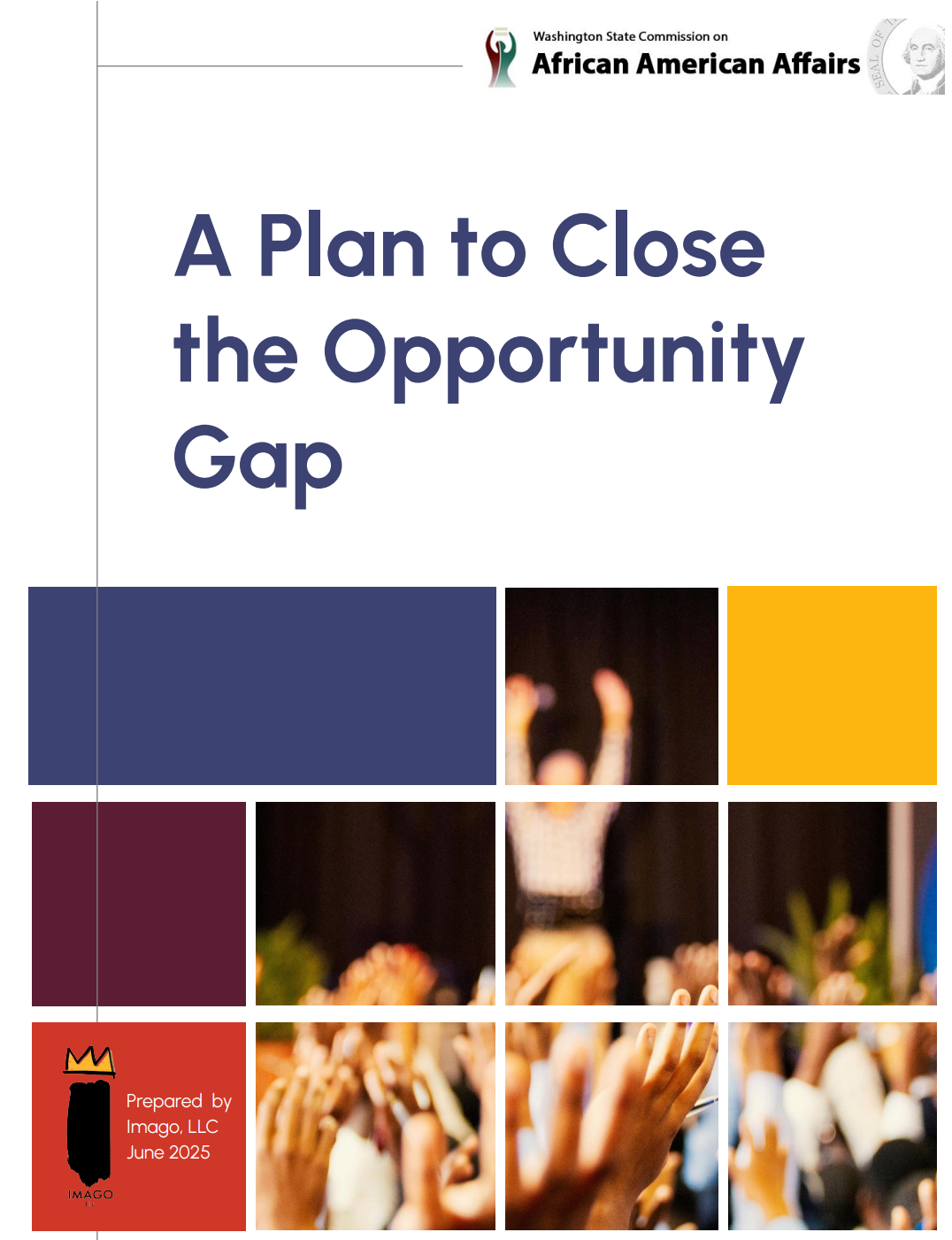
A Plan to Close the Opportunity Gap (2025), commissioned by the Educational Opportunity Gap Oversight and Accountability Committee and the Washington State Commission on African American Affairs.
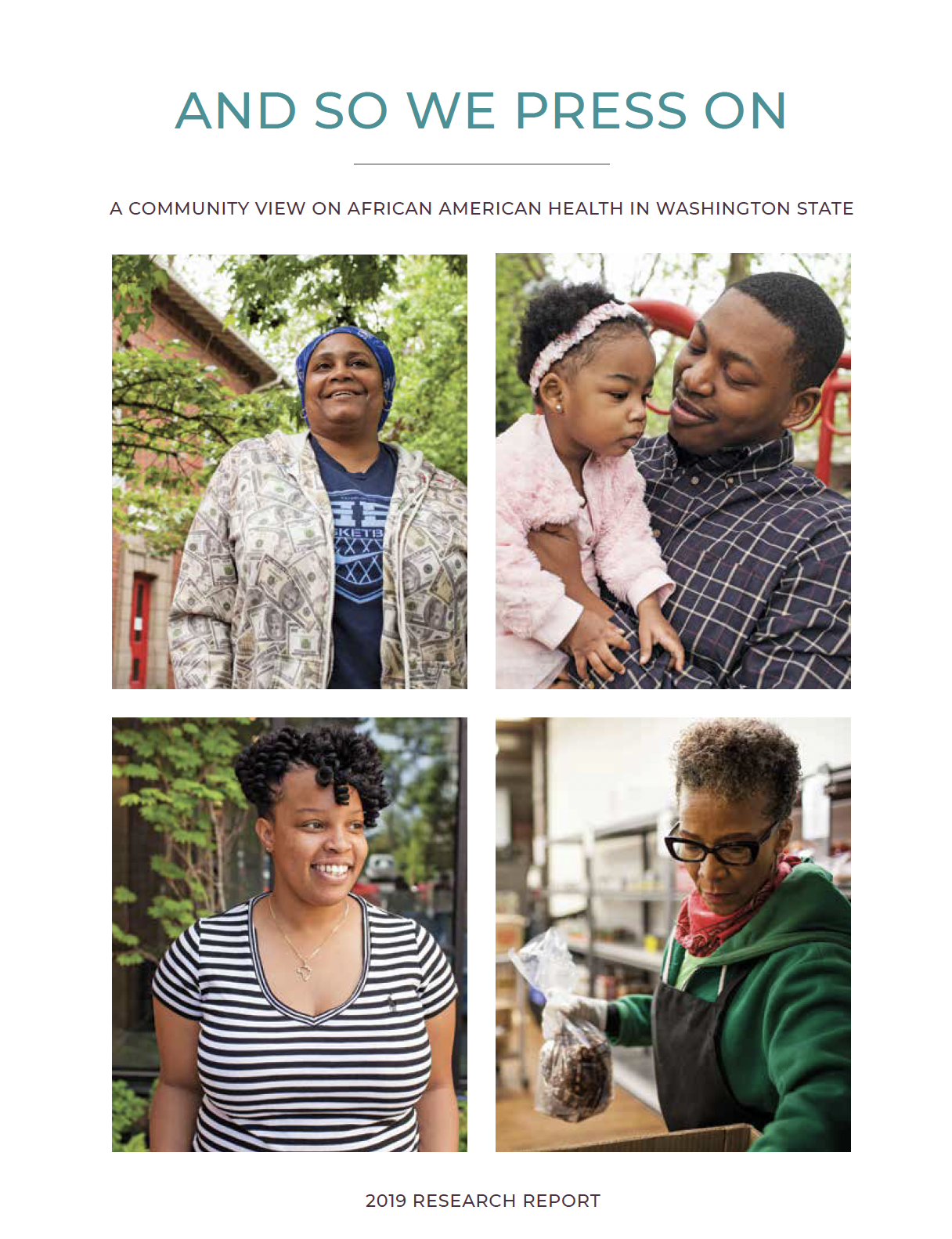
And So We Press On: A Community View on African American Health in Washington State (2019) is the third in a series of reports that assesses barriers to success for Black Washingtonians.
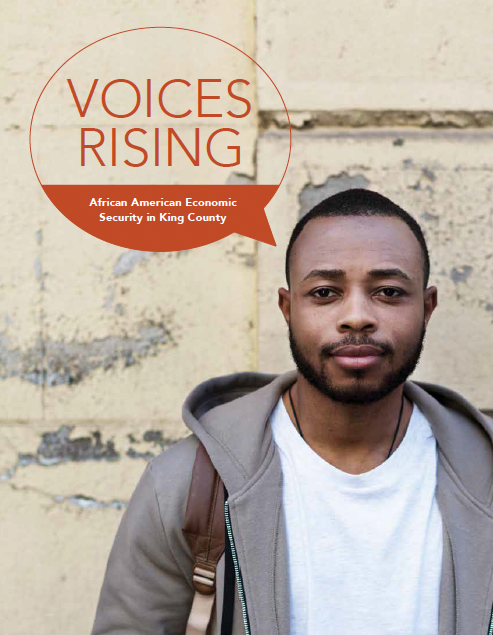
Voices Rising: African American Economic Security in King County (2017), is the second in a series of reports, encourages public dialogue and contribute to community-driven policy solutions.
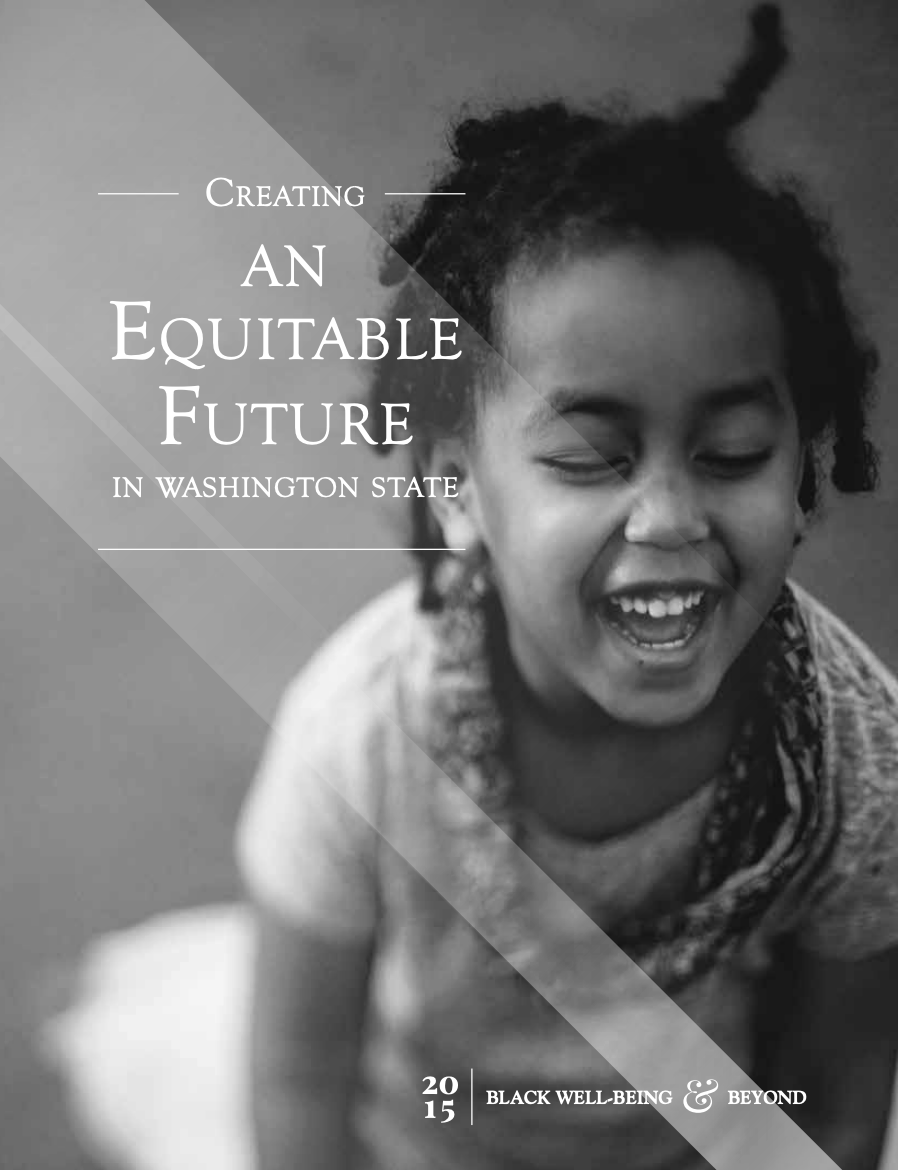
Creating an Equitable Future in Washington State: Black Well-Being & Beyond (2015) is the first in a series of reports created by Byrd Barr Place and the Seattle Community of Practice that assesses barriers to success for Black Washingtonians.